Owners worry about a first boarding stay more than dogs do. The dog's experience is simpler than the owner's imagination: new smells, new people, other dogs, a routine of meals, potty breaks, and play, and a place to sleep. What decides how a dog settles is mostly familiarity and information, whether the dog has seen the facility before, and whether the staff know the dog's habits, food, and quirks in advance.
This guide walks through a first stay in Statesville step by step, from the trial visit to pick-up day, including what to pack and what is better left at home.
The first stay, step by step
- Start with a meet and greet. Many facilities require one for first-time boarding guests. The dog sniffs the place, meets the staff, and files the whole thing under known rather than strange.
- Take the tour yourself. Ask to see the sleeping quarters, the outdoor play yard, and the indoor play space. A facility that offers a tour is a facility comfortable being seen.
- Share the dog's file honestly. Food, feeding times, medications, fears, habits, and how the dog is with other dogs and with strangers. Surprises help nobody, least of all the dog.
- Confirm vaccinations early. Boarding and day programs require current records, typically distemper, parvo, rabies, and bordetella. Get paperwork sorted days ahead, not at drop-off.
- Pack light and labelled. The dog's own food if required or preferred, medications with written instructions, and one familiar-smelling item if the facility allows it.
- Keep drop-off cheerful and brief. A calm, quick goodbye tells the dog this is routine. A long, emotional one tells it the opposite.
Notice how little of that list involves buying anything. First-stay success is administrative, not commercial: a visit beforehand, honest information, correct paperwork, and a relaxed exit.

What the stay itself looks like
At a facility like Canine Country, boarding includes the basics that make a stay run: food bowls provided and house food available, multiple potty breaks through the day, an outdoor play yard and indoor play room, and extras that owners can add, such as individual playtime and day camp activities. Dogs eat, go out, play, rest, and repeat on a predictable schedule, and predictability is calming to most dogs after the first day.
Expect the first stay to tire your dog out. New environments are stimulating even when they are pleasant, and many dogs sleep like they have run a marathon for a day after coming home. Extra thirst and a big appetite the first evening are common and normal. A dog that eats, drinks, and settles back into home routine within a day has had the standard first-stay experience.
When to call, and what to watch after
Good facilities contact owners if something is genuinely wrong, and most encourage a check-in call from nervous first-timers. Use that permission once, enjoy the reassurance, and resist hourly monitoring, which mostly transfers the owner's anxiety into a phone. After pick-up, watch for the usual travel effects: a day of unusual tiredness, a mild stomach upset from excitement or a food change, and in kennel environments generally, the small chance of a cough worth a vet call if it appears and lingers.
Build from the first stay. A short first booking, one or two nights, before a long vacation stay lets the dog learn the place in a small dose and lets you learn how your dog responds. Dogs that board young and briefly tend to become dogs that board easily for life.
Choosing the first stay's length and timing
Pick the first stay with the dog's learning in mind. A weekend when you are an hour away beats a two-week trip across the country as an introduction, and a stay during a calm period beats one over a major holiday when every boarding facility in the Statesville area is at its busiest and noisiest. Book early for holiday periods regardless, since good facilities fill. If the first short stay goes smoothly, and for most dogs it does, you have bought yourself years of easy travel, plus a standing answer for emergencies, house projects, and family events where a dog underfoot helps nobody.
Common questions
Should I bring my dog's own food?
Ask the facility. Some provide a house food, as Canine Country does, and allow or prefer your own. If your dog has a sensitive stomach, bringing its usual food, pre-portioned and labelled, is the safer plan.
Will my dog think I abandoned it?
Dogs live in the present far more than owners fear. With a prior meet and greet, a settled routine, and people paying attention to it, most dogs take boarding in stride, and many enjoy the other dogs.
What vaccinations does boarding require?
Requirements vary by facility, but commonly include rabies, distemper, parvo, and bordetella. Confirm the exact list and bring records before the stay, not at drop-off.
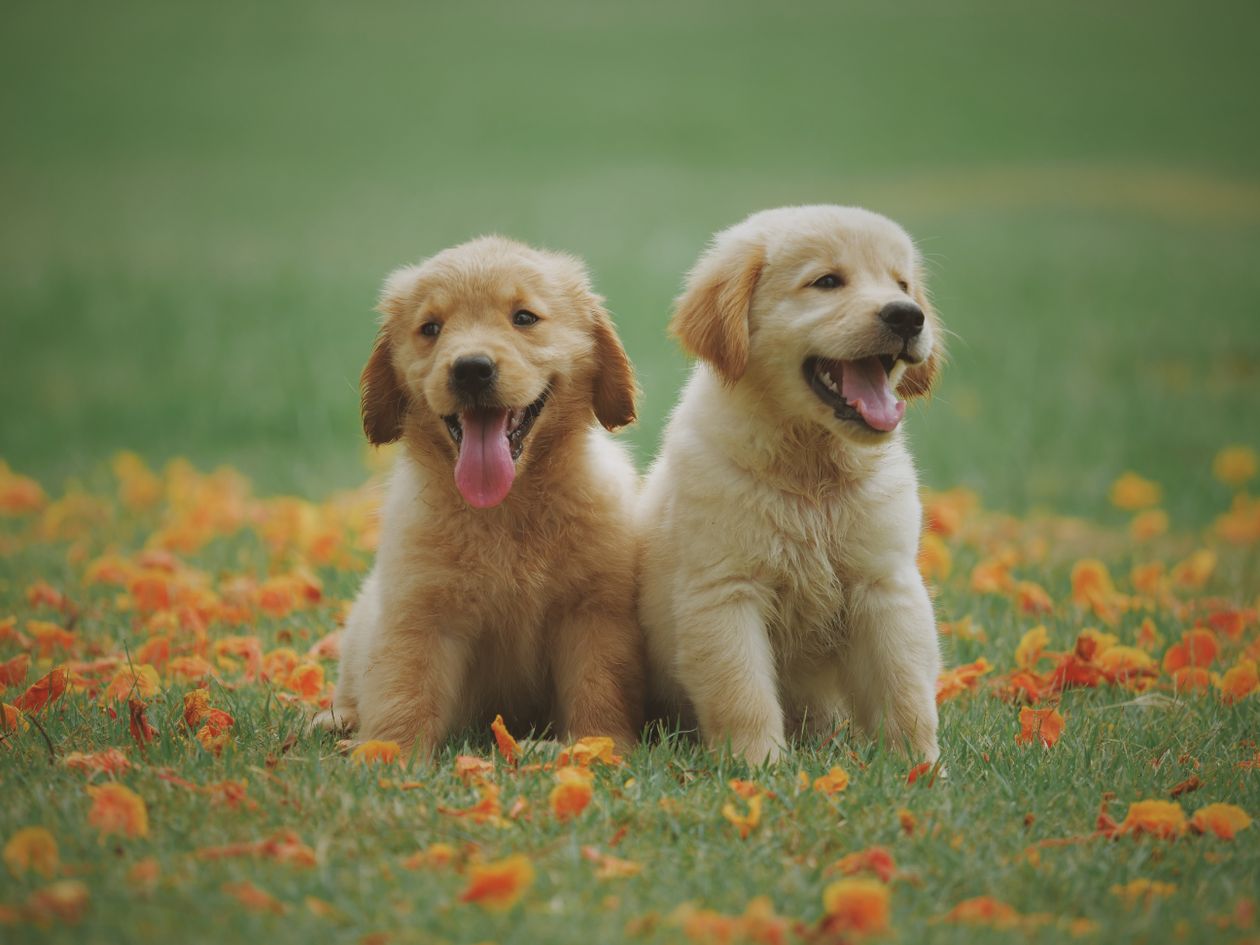
Photos in this guide are representative stock images.
← All guides from Canine Country← Back to Canine Country